

Life Runs Wild
in the Maremma
From a fortress built by medieval lords to a forward-thinking conservation association in Rome — Montauto is where ancient Italy meets the future of wild land protection.
"We do not merely observe nature — we live inside it, manage it, and take full responsibility for it. That is what Active Custody means. It is not a philosophy. It is a duty.
Davide GiannitelliFounder, Montauto Association — Rome
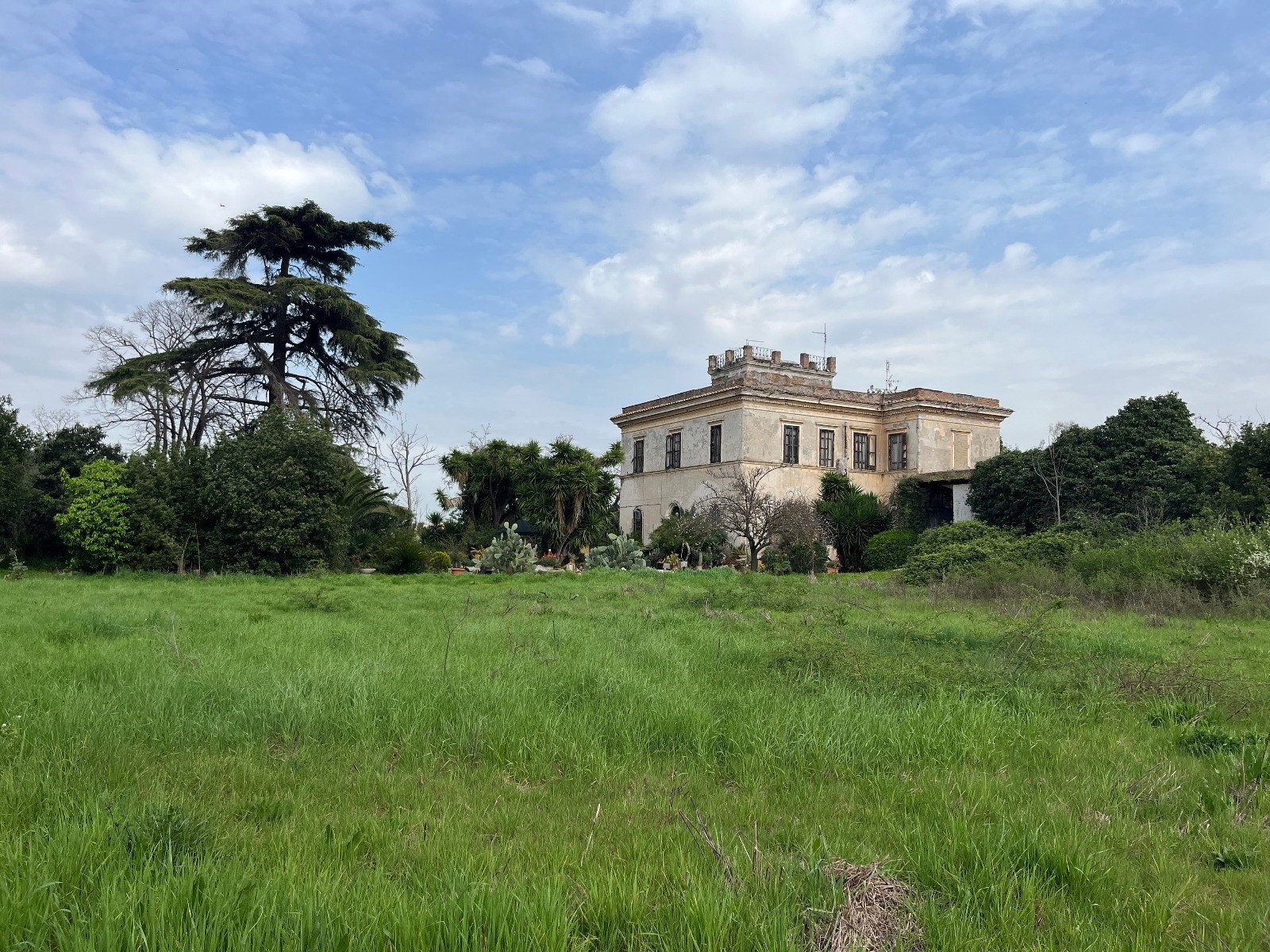

Human Presence
A Fortress, a Forest,
and a Promise
La Roccaccia di Montauto rose above the Fiora River valley in the XI–XIII centuries, built by the powerful Aldobrandeschi family to command trade routes across the rugged Tuscan Maremma. Lower Palaeolithic tools found at the site reveal a human story that stretches back half a million years.
The fortress passed through feudal lords, Orsini sieges and a remarkable 1472 proposal from Anna Paleologa — widow of the last Byzantine emperor — who sought to found a Greek colony of 100 families here. The Sienese Council approved, yet the Byzantine city was never built. The Roccaccia slowly surrendered to the forest.
Today, the Montauto Association — founded in Rome under the Monarca Foundation — is reclaiming this living archive. Our Active Custody model fuses rigorous ecosystem management with historical stewardship, proving that conservation and heritage are inseparable.
The Active Custody
Model
Passive preservation is no longer enough. Our Active Custody approach combines targeted intervention, scientific monitoring and community partnership to keep the entire Maremma ecosystem in robust health — now and for centuries to come.
Forest Management
Targeted interventions — selective thinning, dead-wood retention and controlled burns — protect ancient Maremma woodland, optimise carbon sequestration and mitigate the fire risks intensified by climate change.
Wildlife Sanctuary
Native fauna from the Apennine wolf to the Maremmana horse move freely across corridors we actively manage. Our sanctuary provides safe haven and continuous ecological monitoring for over 250 vertebrate species.
Botanical Legacy
Historic gardens and the Villa Drago Botanical Garden preserve indigenous Maremma flora — Mediterranean holm oak, cork oak, myrtle and rare heritage varieties — maintaining the estate's living green archive.
Heritage Preservation
Structural surveys, archival digitisation and guided restoration protect La Roccaccia di Montauto — an XI–XIII century fortress — and the Etruscan trail network, keeping eight centuries of history accessible.
Research & Science
Partnerships with Italian and international universities produce peer-reviewed studies on biodiversity, carbon dynamics and landscape connectivity, all feeding our open-access research database.
Community Awareness
Volunteers, students and local residents engage through field programmes, open days and our Rome Academy — turning conservation into shared civic responsibility across the Maremma and beyond.
Three Major
Initiatives
Our conservation mission is expressed through three complementary projects spanning field research, heritage protection and urban science.
Environmental Research Centre
A dedicated facility for environmental studies and biodiversity science, designed to become an open hub for researchers, universities and conservation professionals across the Mediterranean.
Montauto Castle & Nature Reserve
Stabilising La Roccaccia di Montauto and protecting the surrounding 220-hectare sanctuary — a critical ecological corridor in the province of Grosseto, with an ambition to reach 5,000 continuous hectares.
Villa Drago Scientific Hub
Our Rome headquarters houses Montauto University, a Botanical Garden, a Research Centre, a Scientific Fungarium reclaiming Roman underground galleries for mycological study, and a Seed Bank for genetic preservation.
Our Territory:
The Maremma

A continuous block of ancient Maremma forest in the municipality of Manciano, bordering the Vulci WWF Oasis — one of the most intact wild corridors in southern Tuscany, with two operational farmhouses.
From Apennine wolves and Maremmana cattle to osprey and Hermann's tortoises — the reserve supports an extraordinary density of Mediterranean fauna across every habitat layer.
La Roccaccia di Montauto appears in records since the XI century, and Lower Palaeolithic lithic tools place early human presence here hundreds of thousands of years before medieval construction.
Through phased acquisition of surrounding Maremman land — including the Castello del Pelagone — our long-term goal is to create the largest privately-owned nature reserve in Italy.
Species We Protect


Half a Million Years
in Brief
Earliest Human Presence
Lower Palaeolithic lithic tools discovered at the site place early human activity here long before recorded history — one of the oldest documented human presences in Tuscany.
La Roccaccia is Founded
The powerful Aldobrandeschi family erect La Roccaccia di Montauto from local stone — a fortress controlling trade routes and river crossings across the rugged Tuscan Maremma.
The Byzantine Proposal
Anna Paleologa, widow of the last Byzantine emperor, petitions the Commune of Siena to found a Greek colony at Montauto — 100 families under Byzantine law. The Sienese Council approves, but the city is never built.
The Long Silence
After the fall of Siena and Medici consolidation, the fortress loses its purpose. The garrison withdraws; vegetation reclaims the masonry. Locals rename it "Roccaccia" — the ugly, ruined tower.
Brigands & Shepherds
The remote ruins provide shelter for shepherds and the infamous brigands of the Maremma, operating beyond the reach of the newly unified Italian state, while romantic painters document the site.
Montauto Association Founded
Davide Giannitelli establishes the Montauto Association under the Monarca Foundation in Rome, formalising the Active Custody model, launching the volunteer programme and rescuing Villa Drago from speculation.
Guardian of
the Wild
Behind every protected hectare and every research publication is a founder who refused to accept the slow erasure of the Maremma's natural and historical soul.
Naturalist, heritage advocate and architect of the Active Custody model. Davide rescued Villa Drago from judicial bankruptcy and has spent two decades bridging Italian cultural patrimony with modern conservation science — most recently establishing Montauto University in Rome.
Our Core
Values
Active Custody
Passive preservation is no longer enough. We intervene, monitor, restore and adapt — accepting personal accountability for every hectare we manage.
One Health
Veterinary and environmental monitoring underpin every decision. The health of the land, its animals and its people are inseparable.
Living Heritage
Nature and culture are one. We protect the ancient stones and the ancient forests as equally irreplaceable parts of Italian and human identity.
Science-Led Action
Every management decision is grounded in data. We partner with research institutions to ensure our interventions are evidence-based and adaptive.
Working Together
for Nature
Based in Rome at the UN's global Agri-Food Hub, Montauto operates alongside the FAO, WFP, IFAD and Bioversity International — a unique position for a privately-led conservation organisation.

Become Part of
the Legacy
Whether you volunteer in the field, support our research fund or simply spread the word — every contribution sustains centuries of living stewardship and helps secure 5,000 hectares for future generations.